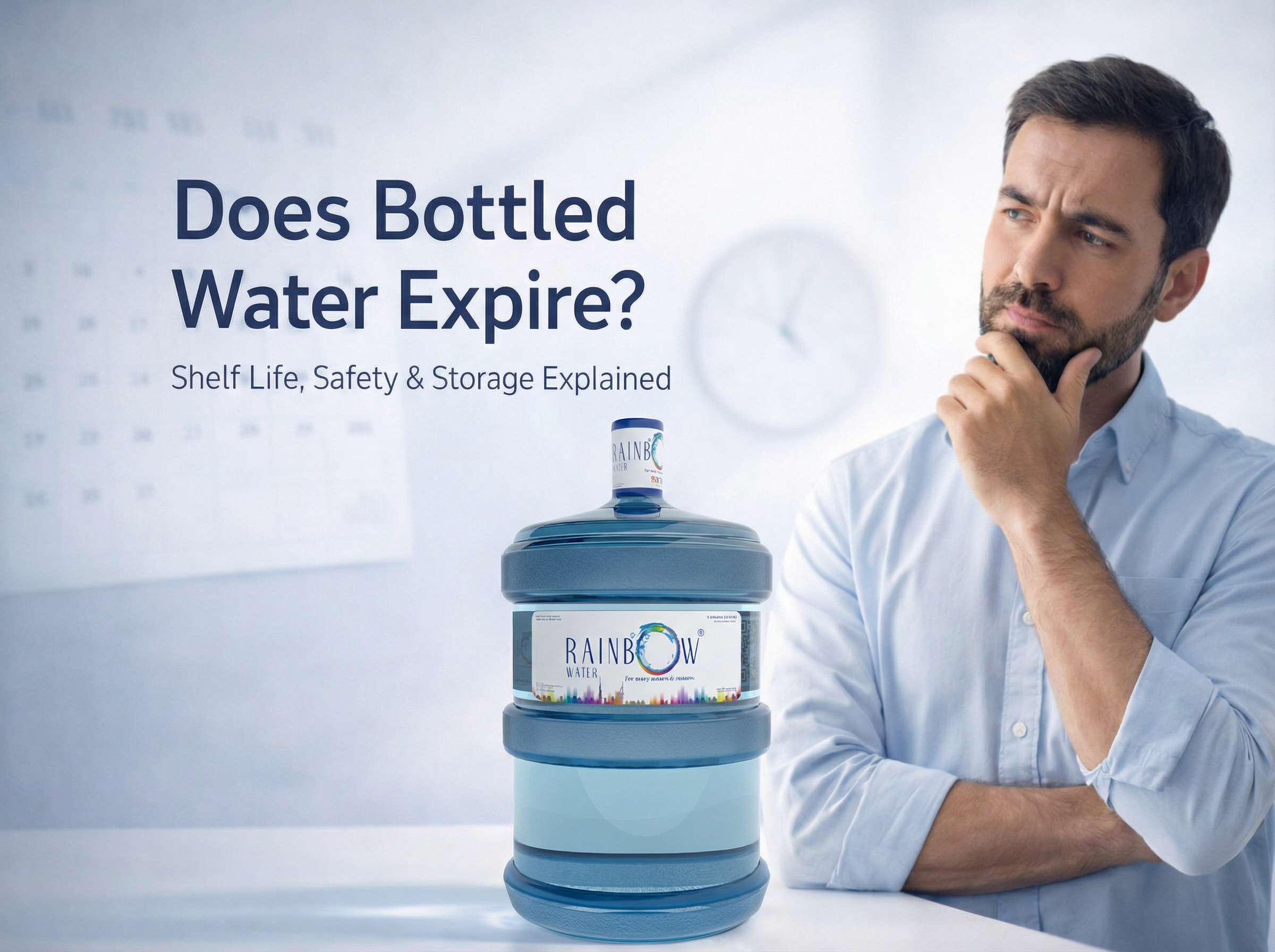
If water doesn’t spoil, why does every bottled water container carry an expiry date?
The answer isn’t about the water alone — it’s about packaging integrity, storage conditions, and safety controls over time. In climates like the UAE, where bottled drinking water is used daily in homes and workplaces, understanding expiry dates plays an important role in maintaining quality and consumer trust. Regulatory actions in the region have previously highlighted the consequences of poor quality control, reinforcing why expiry dates and proper handling should never be overlooked.What Does the Expiry Date on Bottled Water Mean?
Bottled water expiry dates are primarily linked to the packaging rather than the water itself. Over extended periods:- Plastic bottles may gradually degrade
- Heat exposure can affect bottle integrity
- Improper storage can compromise hygiene
- Caps and seals may weaken
Does Bottled Water Expire Faster in Hot Weather?
High temperatures can accelerate packaging wear and increase contamination risk if bottles are stored improperly. In hot regions like the UAE, bottled drinking water should always be:- Stored away from direct sunlight
- Kept in shaded or indoor environments
- Transported in covered vehicles
- Rotated using structured inventory systems
Can You Drink Expired Bottled Water?
It is generally not recommended. While the water itself does not “spoil” in the traditional sense, the packaging may deteriorate over time. A compromised seal or weakened bottle can introduce risks that responsible suppliers work carefully to prevent. As a simple safety practice, consumers should always check expiry dates before use — particularly in warmer climates.How Long Does Bottled Water Last?
The typical shelf life of bottled drinking water ranges between 6 to 12 months, depending on packaging quality and storage conditions. However, longevity depends heavily on how the bottles are handled after production. Proper storage plays a crucial role in preserving safety throughout the intended shelf life.Signs Bottled Water May Have Been Stored Improperly
Before using bottled water, it is wise to perform a quick visual check. Look for:- Distorted or misshapen bottles
- Loose or damaged caps
- Unusual odor
- Cloudiness or visible particles
Why Expiry Dates Matter Even More in the UAE
The UAE’s climate makes storage discipline especially important. When bottled drinking water is exposed to:- Direct sunlight
- Open storage areas
- Excessive heat
- Extended shelf periods
What Responsible Water Suppliers Do Differently
Trusted bottled water providers operate with structured quality controls designed to protect consumers at every stage. These typically include:- Clear manufacturing and expiry date labeling
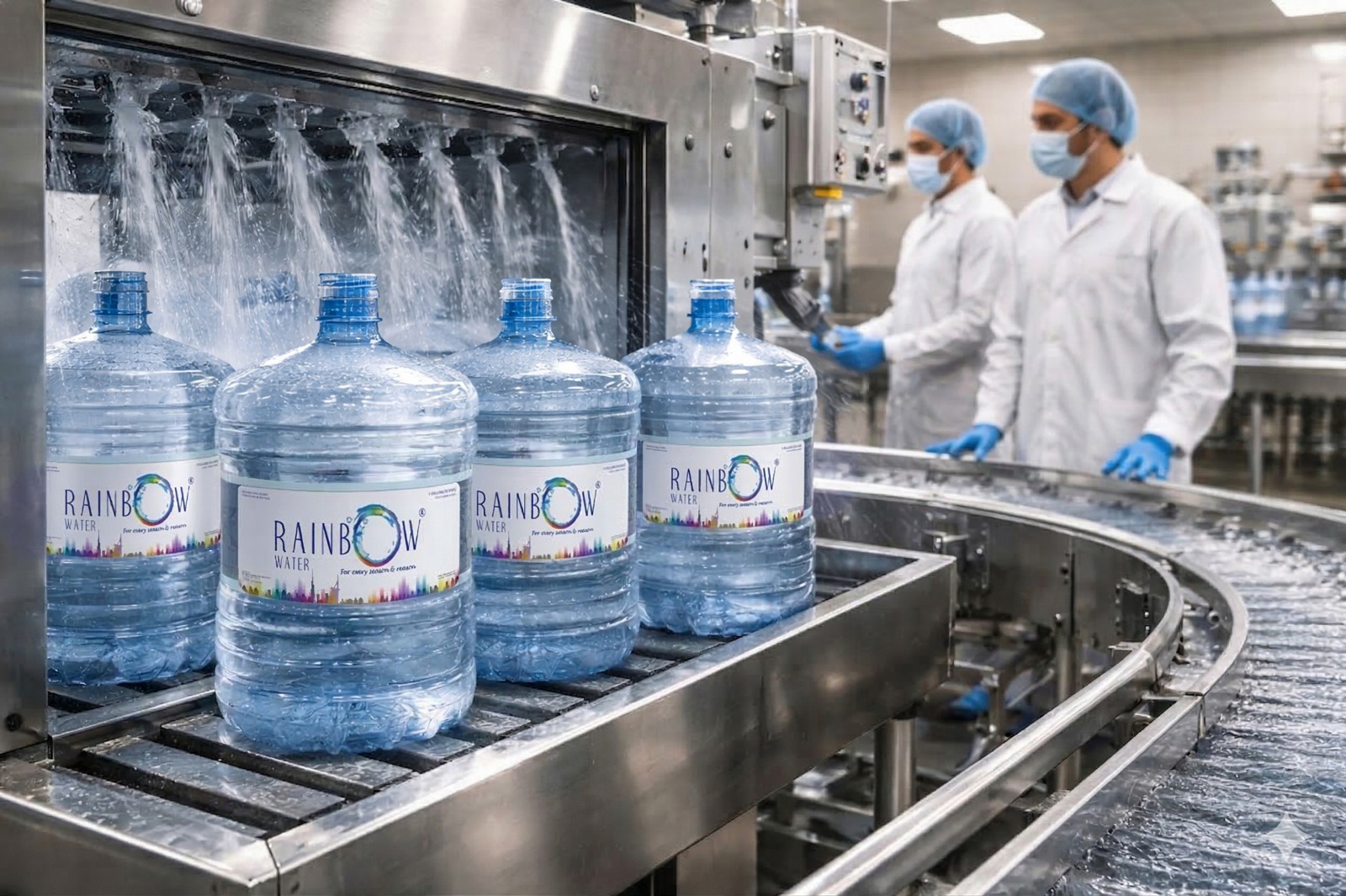
- Hygienic bottle washing and reuse systems
- FIFO (First-In-First-Out) inventory management
- Heat-controlled storage environments
- Routine quality inspections
- Trained handling and delivery teams
How to Store Bottled Water Safely at Home or Office
Consumers can also support water safety through proper storage:- Keep bottles indoors and away from sunlight
- Avoid placing them near heat sources
- Store in clean, dry areas
- Do not keep bottles for longer than recommended
Conclusion
An expiry date is not just a number — it represents accountability, safety, and a supplier’s responsibility toward consumer wellbeing. In a region where bottled water is a daily essential, staying informed and choosing licensed, safety-focused providers helps protect homes, workplaces, and communities. By understanding expiry dates and practicing proper storage, consumers can make confident decisions about the water they drink every day.Frequently Asked Questions
Yes.
Primarily due to packaging integrity and storage conditions rather than the water itself.
It is best avoided, particularly in hot climates where packaging can degrade faster.
Yes. Reusable containers must follow strict washing, inspection, and rotation processes.
Prolonged exposure to high temperatures can compromise packaging and impact quality.